
 Our other app • From the Falita team
The Philosophy and Soul of Tarot
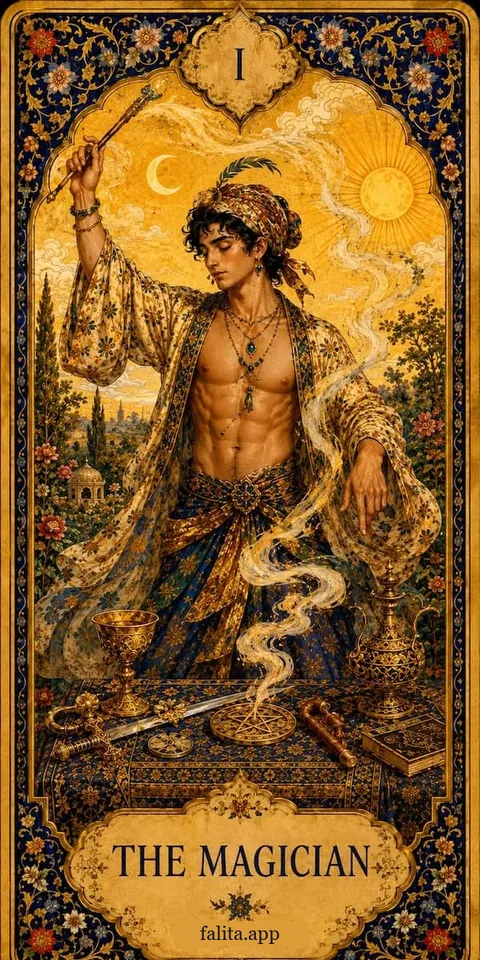
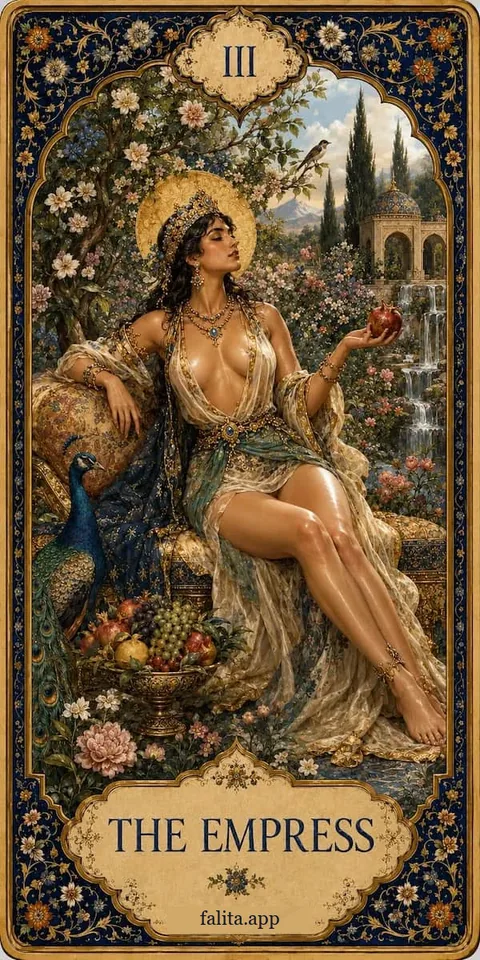
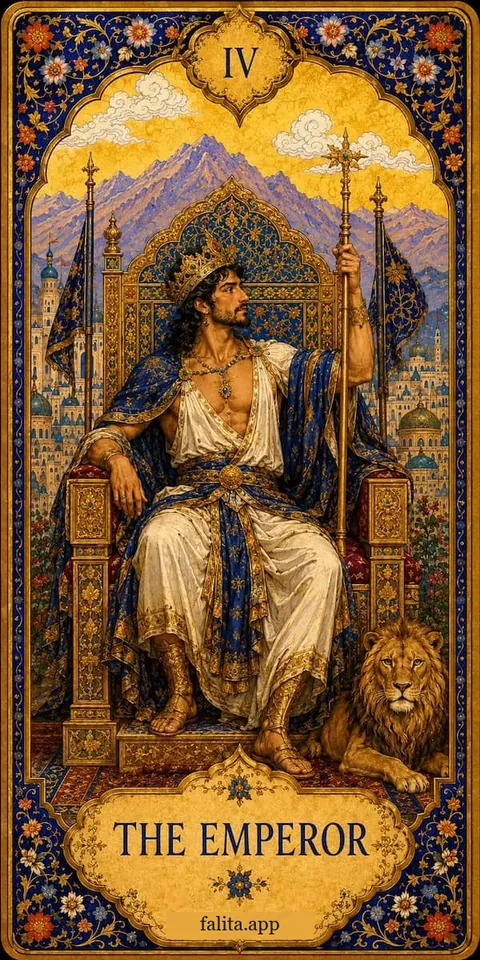
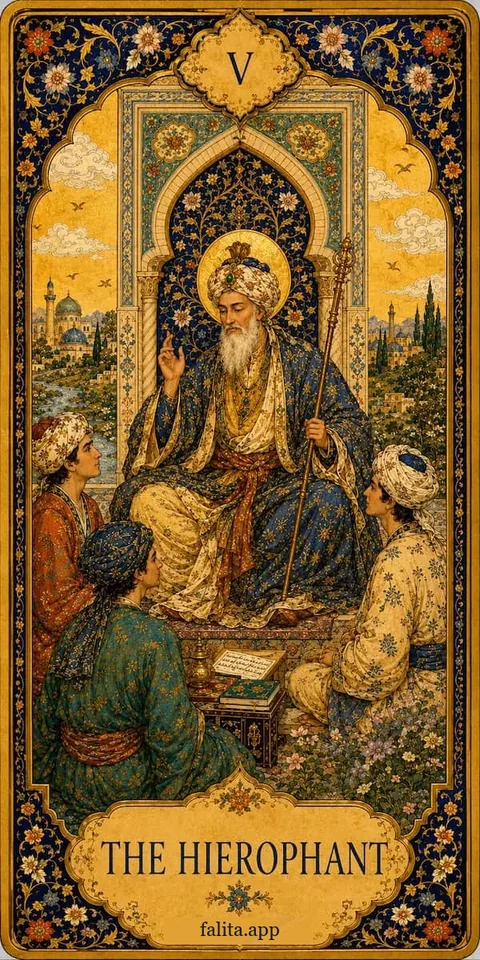
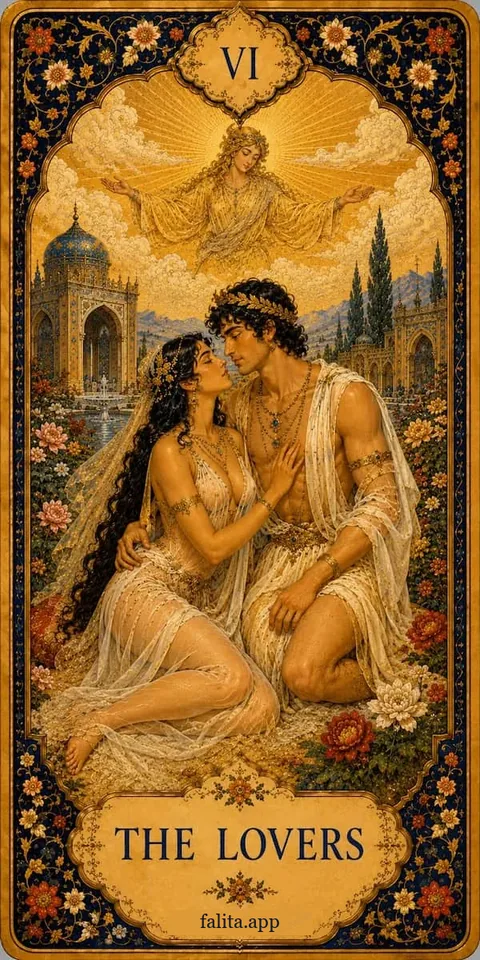
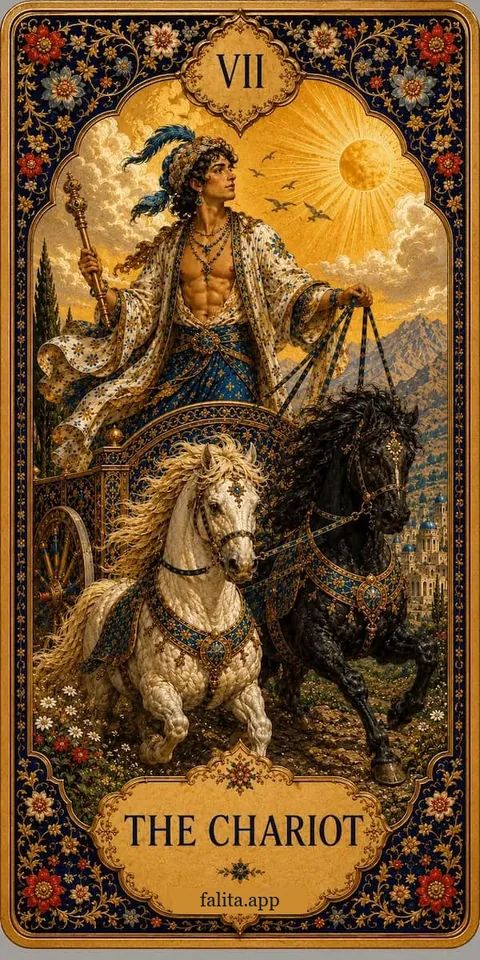
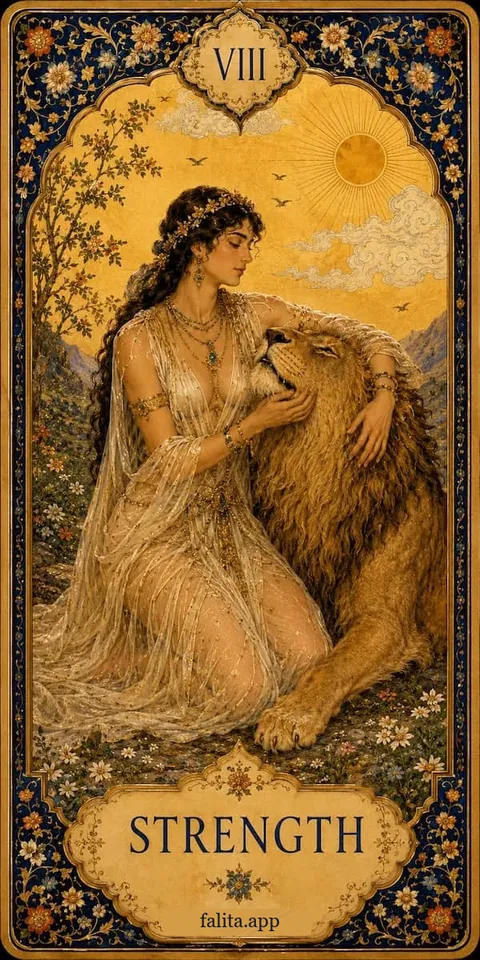
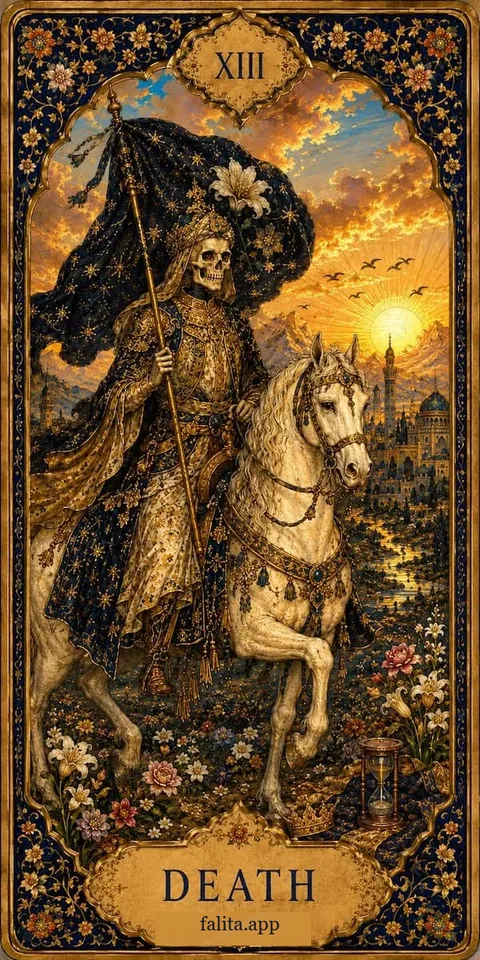
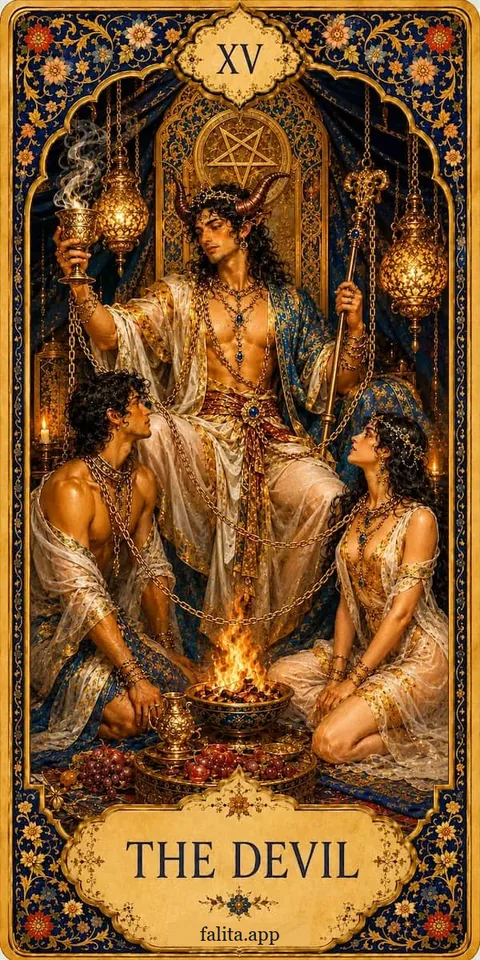
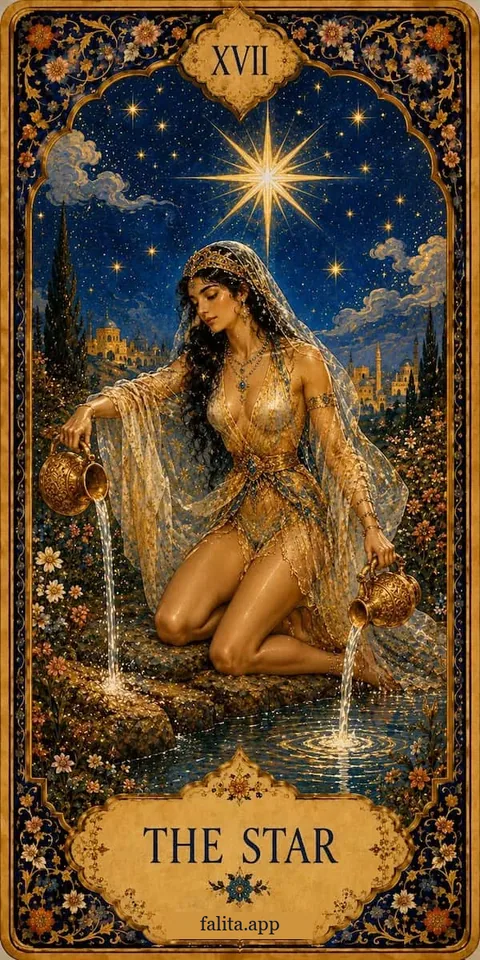
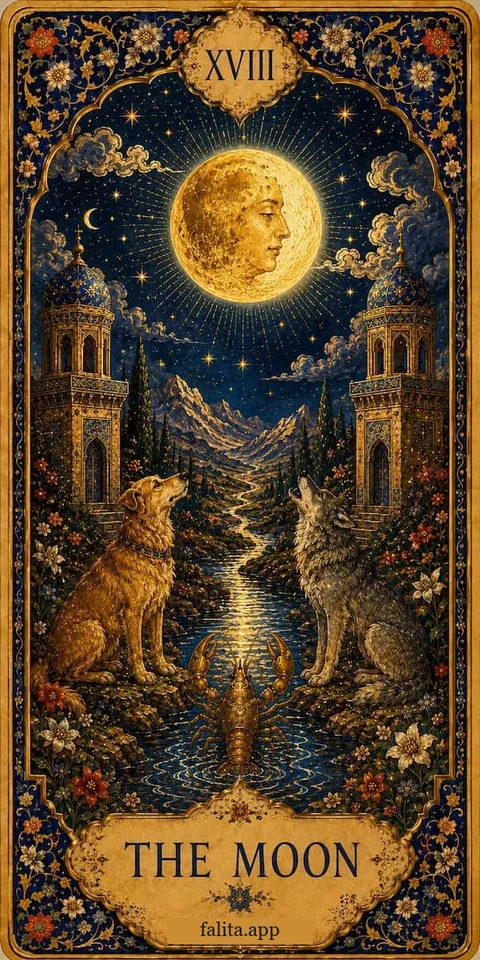
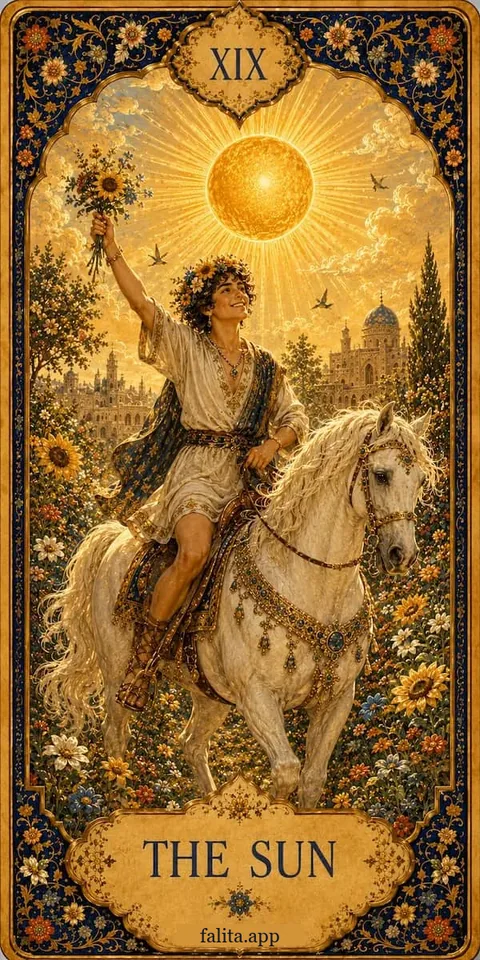
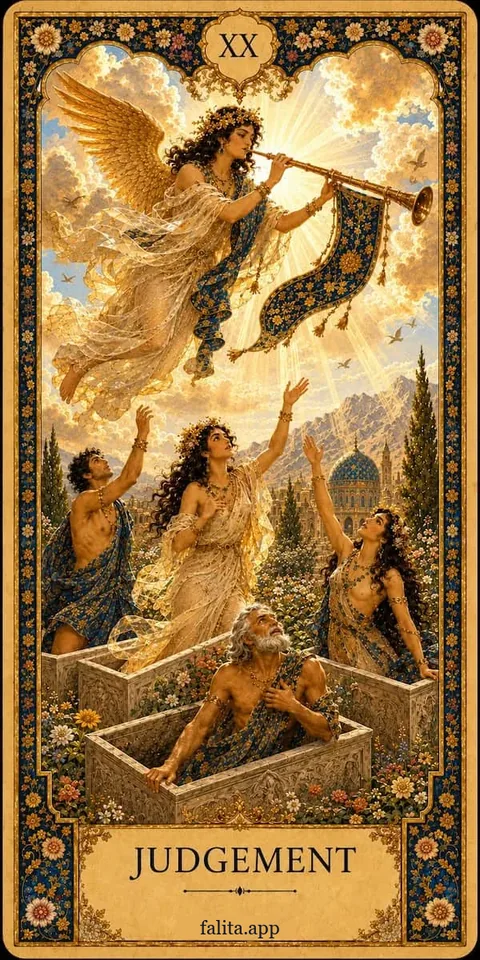
Tarot is far more than a simple forecasting tool or a fortune-telling amusement. It serves as a visual framework designed to map the depths of the human subconscious and guide souls on their journey toward self-awareness. At its psychological core, the Tarot deck is a structural mirror representing what Swiss psychologist Carl Jung defined as the collective unconscious. The 22 Major Arcana cards are not arbitrary pictures; they are highly structured symbolic reflections of fundamental Jungian archetypes, such as The Mother (The Empress), The Patriarch (The Emperor), The Shadow (The Devil), and the spiritual calling (Judgement).
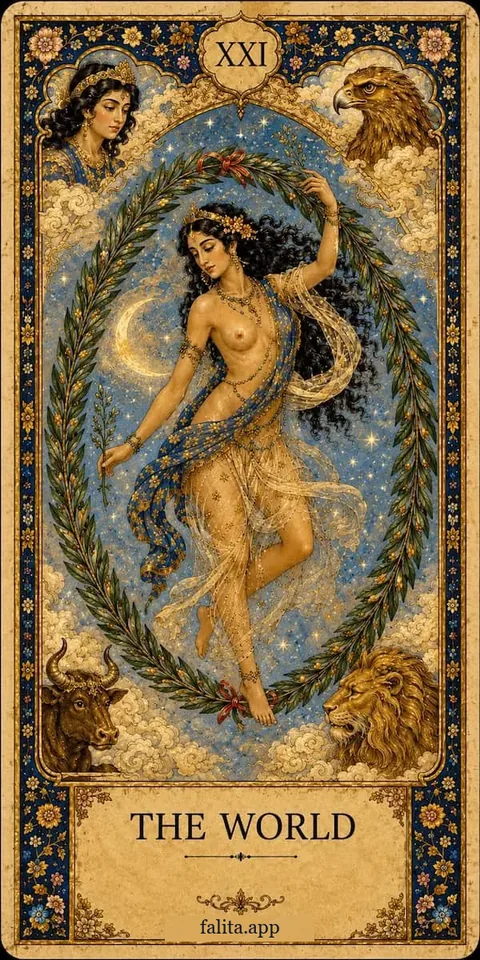
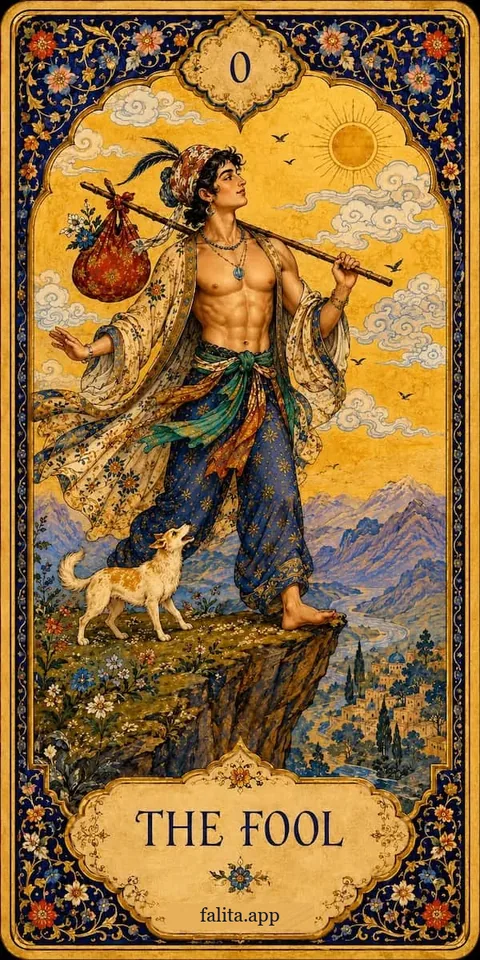
When an individual engages in a tarot card reading, the layout acts as an externalized map of their current internal struggles, emotional states, and potential life trajectories. Through the law of synchronicity, which Jung defined as meaningful coincidences that happen without direct causal links, the selected cards trigger deep intuitive realisations. The symbols bypassed the analytical ego, unlocking thoughts, dreams, and hidden desires. Tarot represents the journey of the soul (The Fool) starting in pure innocence, navigating relationships, authority figures, structural obstacles, and spiritual transformations, ultimately reaching complete integration and enlightenment (The World).
Historical Origins: Italian Courts to Mystical Decks
The history of Tarot is a fascinating journey of evolution. Contrary to popular myths linking the cards directly to Ancient Egyptian temples or wandering secret societies, historical evidence shows Tarot originated in Northern Italy during the first half of the 15th century. Originally known as carte da trionfi (cards of the triumphs) and later tarocchi, the cards were commissioned by wealthy aristocratic families, such as the Visconti and Sforza courts in Milan. These initial decks were hand-painted, embellished with gold leaf, and used primarily to play a complex trick-taking card game similar to modern bridge.
The transition of Tarot from a parlour game to an occult tool for divination began in late 18th-century France. Occultist Antoine Court de Gébelin published a massive work asserting that Tarot cards contained secret, ancient wisdom hidden in plain sight. Following this, Jean-Baptiste Alliette (writing under the pseudonym Etteilla) published the first custom guidebook detailing divinatory meanings, astrological correspondences, and card-laying techniques. This occult movement reached its zenith in London during the early 20th century within the Hermetic Order of the Golden Dawn. In 1909, academic Arthur Edward Waite teamed up with visionary artist Pamela Colman Smith to create the iconic Rider-Waite-Smith deck. This deck was revolutionary because it depicted full narrative illustrations for the Minor Arcana cards as well, making the cards instantly accessible, highly intuitive, and globally recognized.
Tarot Practice Across the World
Today, Tarot is practiced extensively across multiple continents. In Western countries like the United States, Canada, the United Kingdom, and France, it has undergone a secular revival. Many modern practitioners view it through the lens of psychological self-care, counseling, and creative prompts, separating it from absolute destiny prediction. In these regions, thousands of new custom decks are designed every year by independent artists, reflecting diverse themes and philosophies.
In Middle Eastern and Eastern Mediterranean countries, Tarot has merged beautifully with local fortune-telling traditions. In Turkey and Iran, where coffee cup reading has been a staple of social bonding for centuries, Tarot is highly sought after as a complementary reading. Users seek online platforms for quick guidance, search for "free tarot reading" (فال تاروت رایگان) and consult digital interpreters. With the introduction of artificial intelligence, platforms like Falita have emerged, allowing users to experience an "AI tarot reading" (فال tarot هوش مصنوعی) where custom vision models detect cards and specialized storytelling engines compose poetry and deep narratives reflecting the client's questions. This synthesis of modern neural networks and ancient symbolism makes Tarot accessible to a tech-savvy generation seeking self-reflection.
How AI Restructures Tarot in Falita
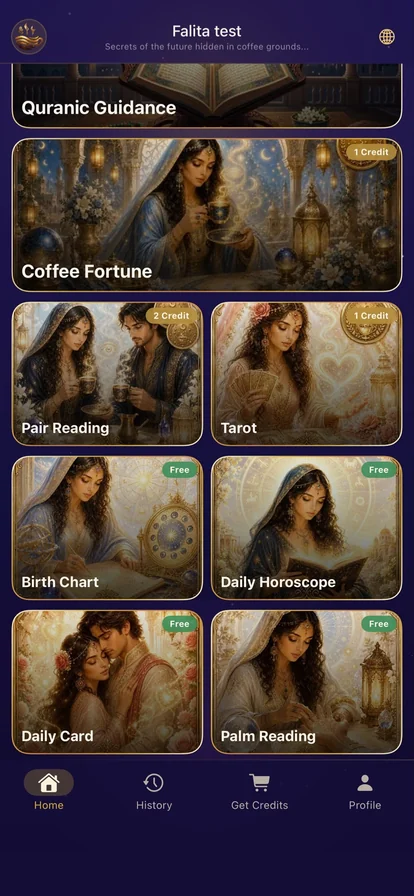
Traditional tarot relies on the physical energy between card and reader. In the modern era, Falita bridges this divide by incorporating artificial intelligence. Utilizing specialized machine learning libraries, Falita processes user intent and questions. Our proprietary AI storytelling engines compose authentic, poetic tarot interpretations based on thousands of professional reading texts. In addition to tarot, users can explore Falita Coffee Book to understand tasseography or access localized articles regarding astrology. Dive into the world of predictions with Falita.